

TikTok Just Became a Hotel Booking Platform—Here's Why That Changes Everything
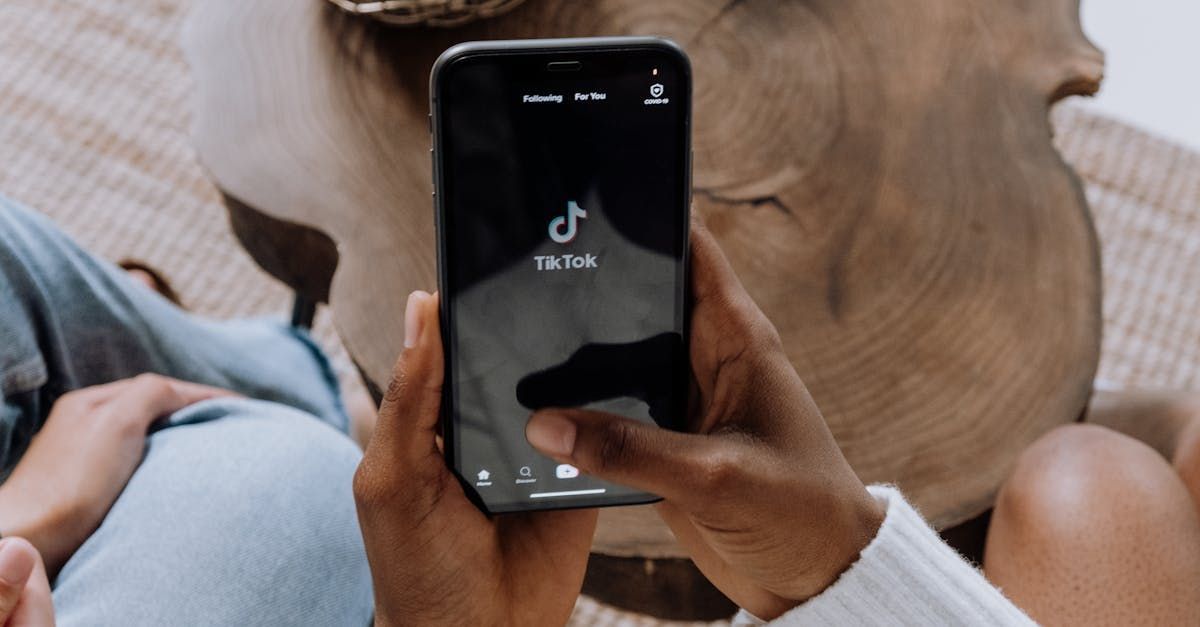
In August 2025, TikTok partnered with Booking.com to let U.S. users book hotels directly inside the app. Watch a video of a boutique hotel in Austin, tap the location pin, and complete your reservation without ever leaving TikTok.
This isn't a gimmick. It's the logical endpoint of a trend that's been building for years—and it has massive implications for creators, local businesses, and anyone in the travel and hospitality space.
TikTok Already Won the Travel Search Game
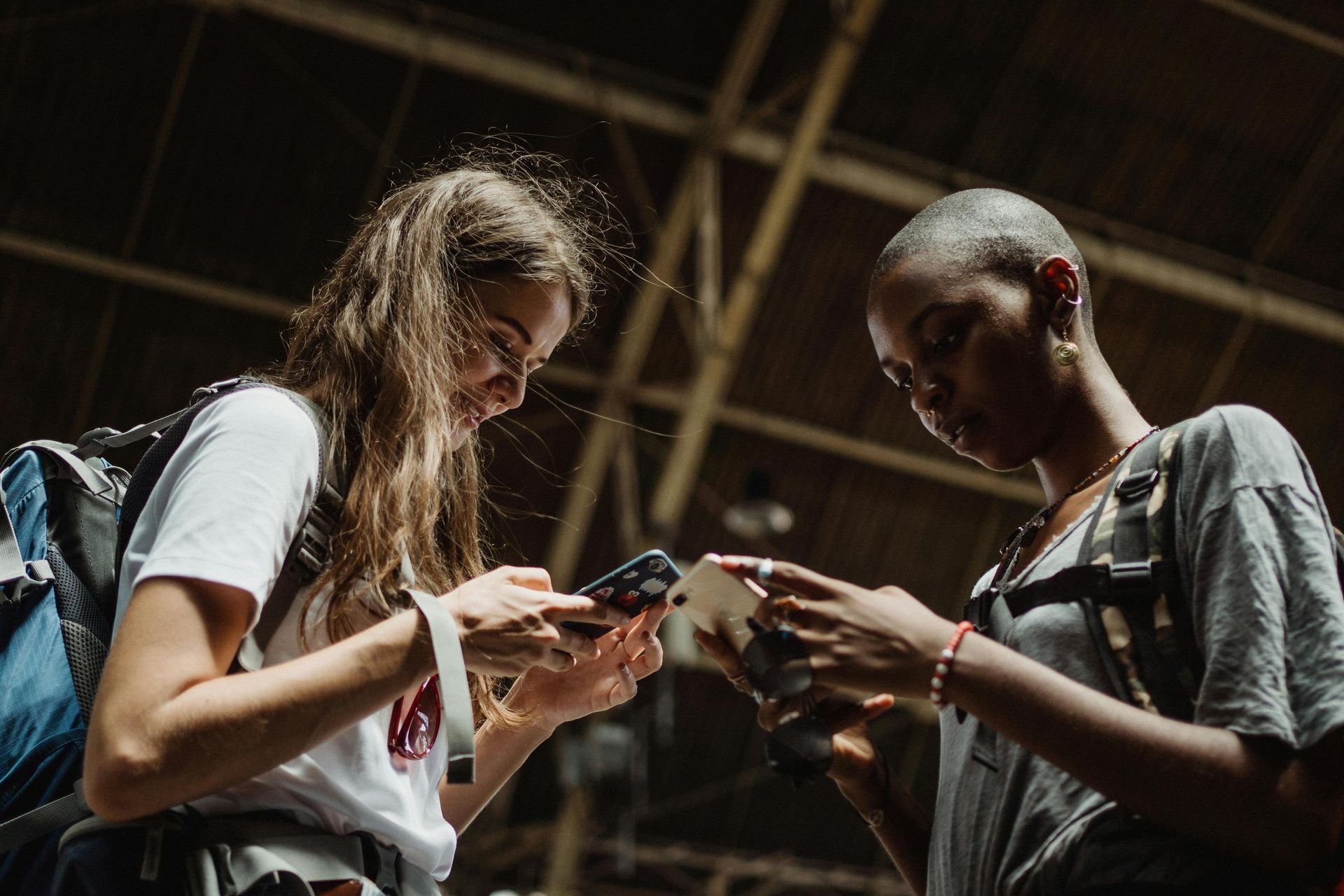
Before you dismiss this as another tech feature nobody asked for, look at the numbers. Seventy percent of Gen Z users now use TikTok search. Over half of Gen Z travelers rely on TikTok to plan their next trip. Forty percent have booked a vacation as a direct result of TikTok content. And 60% have visited a place after seeing it on the platform.
Google admitted back in 2022 that almost 40% of Gen Z was using TikTok and Instagram for search instead of Google. Three years later, TikTok decided to monetize that behavior.
The "Nuked Funnel" Theory
Louis-Hippolyte Bouchayer, head of lodging strategy at SAP Concur, put it bluntly: TikTok has "nuked" the travel funnel. His take? "This isn't 'just another integration.' It's the opening shot in social rewriting the rules of travel distribution."
The old model looked like this: See an ad, Google the hotel, compare OTAs, book somewhere else entirely. The new model? See video, book. That's it. The entire discovery-to-transaction pipeline now happens inside one app.
Travelers who used to spend hours comparing options on Expedia or Hotels.com can now move from inspiration to reservation seamlessly. For hotels, that means more eyeballs—but also more reliance on platforms like Booking.com to capture those guests.
How It Actually Works
Each participating hotel gets a dedicated landing page inside TikTok showing room rates and availability, amenities and reviews, nearby attractions, and related TikTok videos featuring the property. When a creator posts a video about a hotel, users can click on the location pin and land on the hotel's Place page. Select your dates, and you're redirected to Booking.com's mobile web to finish the booking.
It's not fully frictionless yet—still requires several clicks—but the intent-to-booking gap is dramatically shorter than any previous model.
TikTok Go: The Creator Commission Program
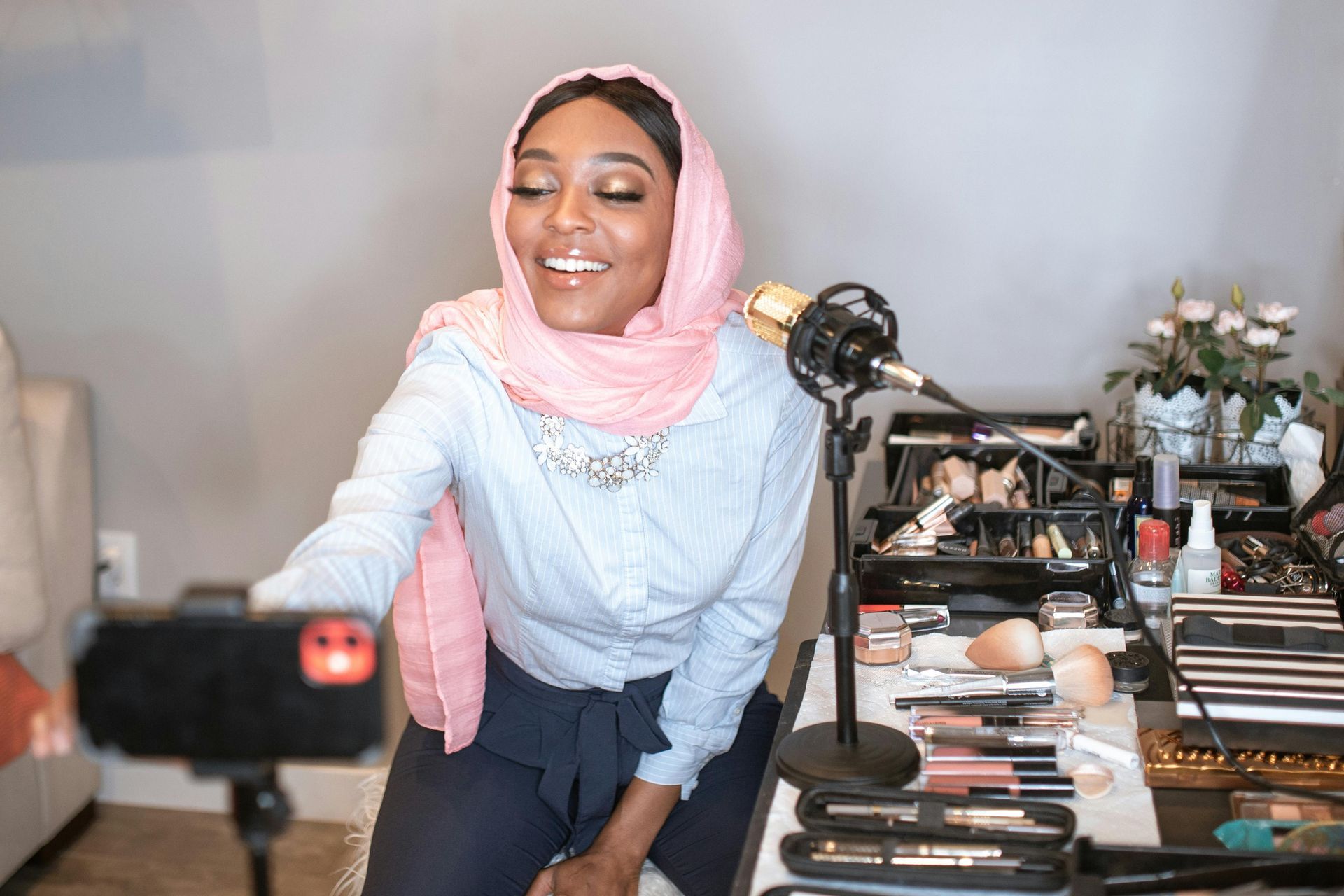
This is where it gets interesting for creators. TikTok simultaneously launched TikTok Go, an affiliate program that pays creators when their content drives bookings.
The requirements are surprisingly accessible: 1,000+ followers, 18+ years old, and an account in good standing. That's it. Once you're in, you can tag hotels in your videos and earn commissions on bookings. Commission rates typically range from $7 to $48 per location, depending on the property.
Creators set their location and see available "tasks" from hotels, restaurants, and other venues. Posts automatically include location information and commission disclosures for transparency. Travel creator Amanda Dishman from Salty Vagabonds said it best: "The barrier to entry into being able to make commission, they just slashed that in half and really made it accessible to a lot more people."
What This Means for Local Businesses
Here's the opportunity: Local hotels report that TikTok-driven bookings often come from younger demographics with higher lifetime value and stronger social media engagement. That makes creator partnerships attractive even at higher commission rates.
For Dallas-Fort Worth businesses, this is another proof point that creator partnerships aren't a nice-to-have—they're becoming a legitimate distribution channel.
But there's a threat too. Hotels that ignore this trend cede the customer relationship to TikTok and Booking.com entirely. The ones who win will be those who lean into content, make their properties "social ready," and use video to inspire direct bookings with compelling offers.
One creator highlighted in industry coverage has driven over $500,000 in sales for a single New York City hotel through TikTok—by putting a compelling offer in front of her audience alongside great content. That's the playbook.
The Bigger Shift
This isn't just about hotels. It's about the entire discovery-to-transaction pipeline moving to social platforms.
TikTok Go's trademark filings suggest potential rollout into restaurants, retail, and other experience categories. The program is already live in the U.S., Indonesia, and Japan—with restaurants and experiences likely coming to the U.S. soon. TikTok previously introduced booking features for concert and movie tickets through partnerships with Ticketmaster and Fandango, establishing clear precedent.
The writing is on the wall: TikTok wants to be where discovery and conversion happen. Not just the top of the funnel—the whole thing.
What This Means for DFW Creators and Brands
For creators: TikTok Go represents a new monetization path beyond brand deals and the Creator Fund. If you're posting location-tagged content anyway, you might as well get paid when someone books.
For local businesses: The creator economy just became a legitimate distribution channel. A boutique hotel, brewery, or restaurant that partners with the right creators isn't just getting awareness—they're getting bookings.
For agencies like Scrollworks: This validates the entire UGC-to-commerce model. Brands will increasingly need creator networks not just for content, but for conversion.
The funnel didn't just shrink. It collapsed into a single app. The businesses and creators who adapt fastest will capture the opportunity. The rest will wonder where their customers went.
Ready to connect your DFW brand with creators who can drive real results? Let's talk.